

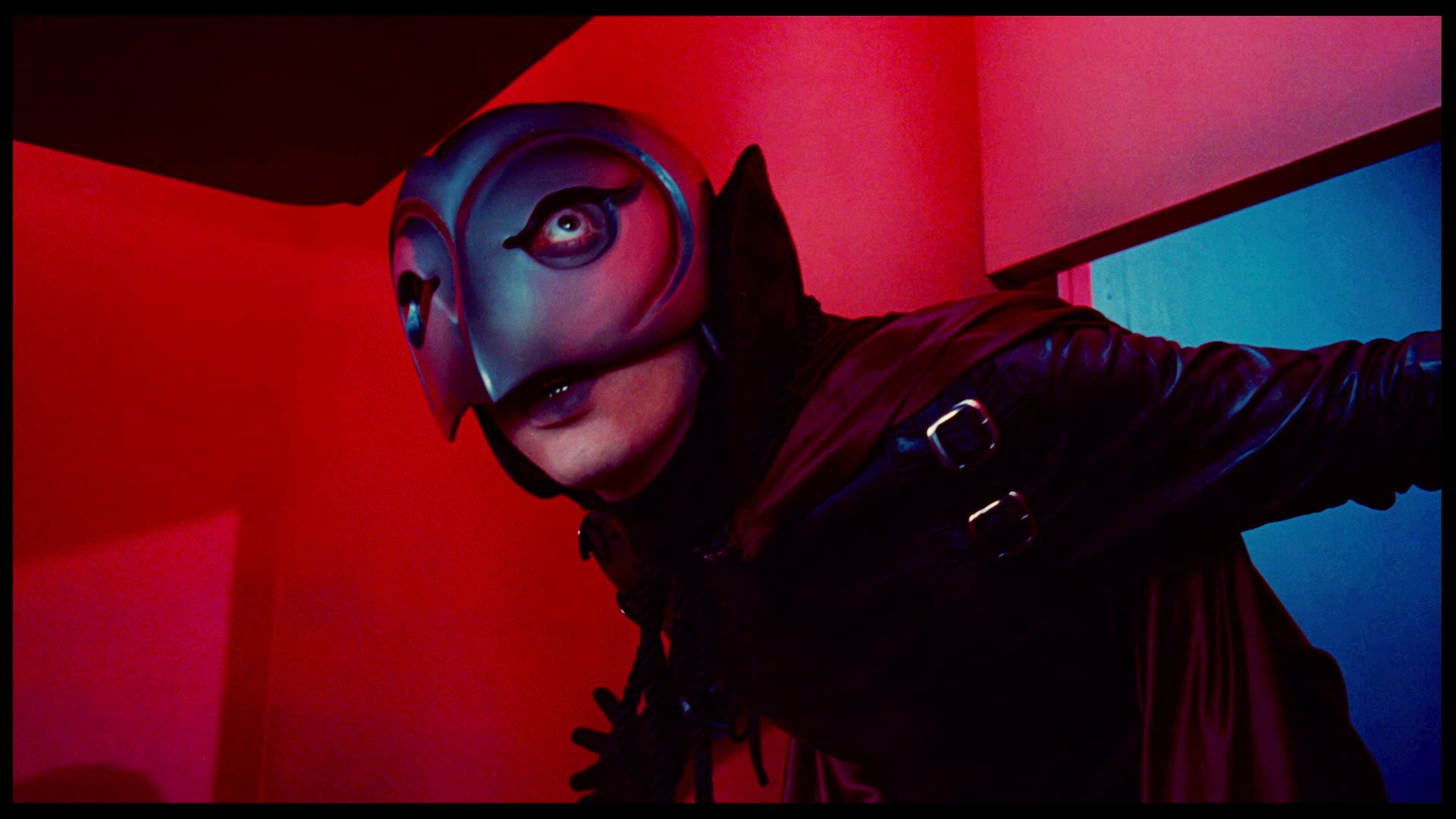
Phantom of the Paradise (1974)
Logged: June 6th, 2026
Type: Film
This is one of those movies I've been meaning to watch for a while. Like, years, probably. I didn't actually know much about it apart from a) the costume that the 'Phantom' wears, b) that it inspired some character design in a Gundam anime AND notably Griffith's whole Femto design in Berserk, and c) that it was a rock opera from the 70s. But I think it's great going into things blind. It didn't even click for me that this was technically categorized as a 'horror' movie until after the fact, when I saw it listed as such online. I kind of just thought it was an unhinged and tragic satire about the trappings of fame and the music industry--and it certainly is! I was surprised by how much I liked the actual music in the film; the opening number is a parody of 1950's nostalgia, and comes across as unserious, so I wasn't sure if all the songs were going to be that level of on the nose. I did like that it sets the tone for the 'sacrifice' one makes to achieve fame and fortune, though, with the song being a comical tale of a young man killing himself in order to make his music posthumously famous so his sick little sister can afford medical treatment. That's America for you; even in the 70's, I suppose.
The hardest part to get through, for me, was the rest of the 'setup' to the story; his music gets stolen by the antagonist, and he is set up to be locked away in prison. I didn't dislike it, and laughed at some of the absurdity ("I'M INNOCENT! SWAN STOLE MY MUSIC AND FRAMED ME!") but the movie got REALLY good after Winslow Leach dons the leather fit, the cape, and the mask, and becomes the Phantom. This is a no-brainer. He's already pretty unhinged, but his performance takes on an otherworldly affect in this costume. He becomes more of an entity, some unstoppable wraith seeking vengenance, rather than a scarred and betrayed man. I think the usage of the vocoder to allow him to speak and sing (his vocal chords were damaged, as well as the side of his face/right eye) helps this effect greatly. This was the era where folks were beginning to experiment with synths, audio mixing, and the like, and I found it a creative choice that lent another haunting dimension to his whole design. His ability to speak is something that was granted to him by the film's antagonist, mega-rich, mega-famous music producer Swan. The whole conceit here is that Swan stole Leach's music to use for the opening of his grand concert hall called "The Paradise." But upon Leach's return as the Phantom, Swan deploys a different strategy; he promises that he will work with him, that he will make sure his precious cantata (based on the legend of Faust, i.e. the Faustian deal we are about to find ourselves in) is performed exactly as he envisioned it, and he'd even help him sing again (thus the vocoder). I would like to point out here that Swan probably inspired Gideon Graves of the Scott Pilgrim comics; the Chaos Theatre comes to mind. Anyway, this is all kind of the setup to the Phantom of the Opera parallel we have going here; rather than the new opera owners and the Phantom, it's Swan with his Paradise concert hall and the Phantom.
The melodramatic, absurd and unhinged tone of this film delighted me as much as the music. While the 'selling your soul for rock and roll fame' Faustian deal is very obvious, I also like how much this movie took from other stories; I was thrown for a bit of a loop by the reveal that Swan had a Portrait of Dorian Gray equivalent in a tape recording of himself that, due to an actual deal with the actual devil, was keeping him supernaturally young. This also made me think about how being monitored can be a form of violence--Swan, who constantly records everything around him in the Paradise with security cameras, who abuses that for voyeuristic purposes as well as, seemingly, a sense of omnipotent control over everyone else. A really standout scene in my mind was when the Phantom found Swan and the love interest Phoenix (this movie's 'Christine,' the Phantom's 'voice' and muse) making love and watches, horrified, through the clear glass ceiling above the bedroom. When I realized that Swan was watching the security footage of the Phantom watching them, I was like, oh baby this is the mad psychosexual drama I'm here for. I think this idea of audience as a type of evil is presented well in the climax of the film as well, when the crowd seems oblivious to the real violence that is playing out before them. I mean, they already saw Beef get electrocuted and DIE live on stage in the last big performance prior to this, but they literally see the guy officiating the wedding between Swan and Phoenix get SNIPED for REAL and then two other men die writhing in agony afterwards and they're still partying. It reminded me of the final scene in Rocky Horror Picture show--which I was shocked to learn actually came out a year after Phantom of the Paradise. The last scene wherein the surviving characters are "left crawling in the smog and dirt, confused and disorientated as the criminologist concludes that the human race is equivalent to insects crawling on the planet's surface: 'lost in time, and lost in space ... and meaning'". Maybe not in the literal contents of the scene, but in the way it left me feeling after my first time watching Rocky Horror.
While the Phantom is visually, emotionally, and textually the central character, Beef became a standout for me--I loved his actor's performance and the way he contrasted macho rocker with camp effeminacy, and how unabashed he was to be a diva. Justice for Beef!!
As a longtime fan of the band My Chemical Romance, it would not surprise me at all if Gerard Way had taken some inspiration from Beef’s camp, over the top performances or the Phantom’s erratic body language. The thought occurred to me after hearing the chorus to the Phantom's theme, the song that plays over the montage of the Phantom working tirelessly to finish his cantata. The chorus begins, "to work it out I let them in/all the good guys and the bad guys that I've been." This called to mind a line from the song Sleep off of MCR's Black Parade album: "for the good guys and the bad guys/for the monsters that I've been."
Anyway, a real treat. I finished the movie and thought to myself, "now that was a motion picture" LOL

Comet in Moominland (1946) by Tove Jansson
Logged: June 1st, 2026
Type: Book
Borrowed this from my bestie and knocked it out in little more than a day. Despite adoring the Moomins, I'd never actually read any of the books, so this was a treat. Read the majority of it in bed before sleeping, which lent itself well to the relaxed, humorous, dreamlike quality of the story. In spite of the eccentricities of the world, Jansson writes in a simple, straightforward style that makes the humor ring true for me. When reading translated works I often wonder how much of an author's tone might be getting lost, but something tells me that her style remains similar from the original Swedish to the English version.
This story is about Moomin, Sniff, and various characters they meet along the way learning that a comet might soon strike Moominvalley. It's been remarked upon before, but the juxtaposition between the whimsical and fairytale-like characters and the existential scenarios they face are quite striking. I've always liked children's stories the best when they let hints of darkness peek through--it was true when I was actually a child, and it remains true today.
There is such a charm to these characters. My personal favorite thing is how much the Moomins and their extended circle of family and friends depend upon Moominmamma. When they learn that the comet is predicted to strike the valley, Moomin insists they must get home and that his mother will know what to do. He has complete faith in her, and she takes on the role of mother to all the little creatures that hide away in the cave with them, awaiting the comet's approach with apprehension and fear.
This book was the first appearance of the Snorkmaiden and Snufkin, two very central characters to the world and to Moomin's character particularly. It's clear upon meeting that Moomin already admires Snufkin a lot, and puts great stock in his musings. As for Snorkmaiden, their relationship is instantly so tooth-achingly sweet, but believable in the way two little kids gravitate to each other and immediately become best friends like they've known each other their whole lives.
Something that surprised me was the inclusion of references to certain 'real world' concepts. Two big examples are the story of Moses, mentioned when Snufkin is explaining that he was found as a baby abandoned in a basket in a river. The other characters remark that he was 'like Moses,' which carries the heavy implication of Abrahamic religion in the Moomin universe. It hadn't occurred to me that any humans existed, and that even more traditionally human-resembling characters like Snufkin and Little My were more like elves or sprites in some way. There is also mention of Mexico as a place, further cementing this strange idea that Moominvalley exists somewhere on our earth, which is a funny thing to reconcile with as I had this idea of it being a completely separate place that existed only in the realm of the fairytale. In some ways these quirks make the story even more charming to me; I just imagine a kid being read this story and, upon hearing these little references woven into the story, become even more immersed into the magic of the world.
An absolute delight, and I'd really like to read the rest of the series sometime soon.

Ultimate X-Men (2024 - 2026) by Peach Momoko
Logged: May 31st, 2026
Type: Comic
I've been meaning to 'catch up' with this series for months now, but as I realized it actually finished and all the issues were up on Marvel Unlimited, I decided to finally sit down and read it from start to finish. My god, what a good comic.
There's so much to like here, first and most prominently being the artwork. Peach Momoko is SO talented, and the watercolour style here lends itself very well to this self-contained, manga-like story. Even though this is technically part of the Ultimates universe where the Maker has shaken up reality and changed a bunch of the familiar details of the Marvel universe, it really does feel like it stands on its own--something not many superhero comics can boast. I really don't think you need to know much about the X-Men to enjoy this comic; the characters really stand on their own. I think that this quote from the Wikipedia page actually puts it very well: "Shaun Corley from Screen Rant points out that the comic skips almost all the key characters and elements of X-Men lore, such as the X-Mansion and Sentinels, and characters such as Professor X, Cyclops, Wolverine and Storm. He considers that, by doing so, Momoko focuses instead on the core theme of the X-Men, that of people feeling lonely in a world that fears them."
I like that the main cast is all young girls (that, of course, all attend the same high school), and how much variety in background and personality there is among them. For a relatively short comic run with a lot going on, I felt I got a good sense of who everyone was. I adore our main character, Hisako Ichiki--also known as Armor. She feels so real and is a perfect focus character. Her grief over her best friend's suicide prior to the start of the comic ties in very well with the horror theming of the story, and is a great emotional catalyst to her growth over the series. It makes her bond with fellow mutant Mei Igarashi (Maystorm) that much sweeter.
This comic really has all the hits for me in terms of subject matter; urban legends, ghost stories, psychic powers, human experimentation, government conspiracy, fighting against a society that fears you, kids born or forced into shady cults by their families and the fallout of that environment... I also really enjoyed the extras at the end of each issue that Peach Momoko added, such as character design sketches/concept art and little drawings detailing various Japanese traditions and cultural references that appear in the story. It makes me think of the extras that would appear at the end of manga volumes or between chapters that would include those sorts of little behind the scenes content, and is just very nostalgic to me.
The story has a bittersweet ending...when I arrived at the last issue, I genuinely thought there was going to be more. It left off on what felt like the beginning of a new arc, with no definitive answer to Hisako's whereabouts (although it's pretty clear that she sacrificed herself to defeat the 'bad guy,' Mei is so resolute in her belief that Hisako is still alive that I was honestly waiting for a sign of her return. The text Mei receives at the end could also be interpreted as being from Hisako... but I actually like that it leaves some things unanswered and unresolved. It feels fitting for the tone of the comic. And there's that hope there, that Mei and the others will carry the torch and continue to fight for what they believe in.
Just a really solid comic. Highly recommend.
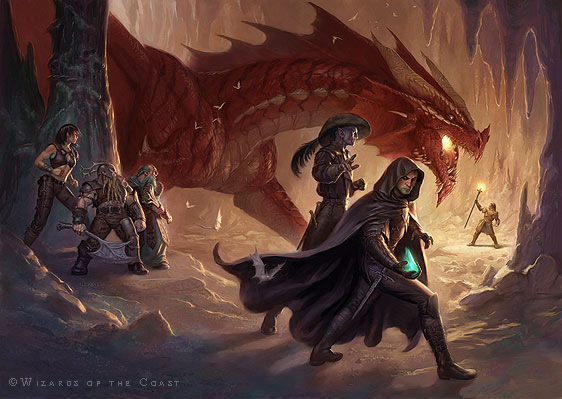
Servant of the Shard (Sellswords Book 1) (2000) by R.A. Salvatore
Logged: May 29th, 2026; *Reread
Type: Book
I am determined not to buy any more books for a while, and because I haven't been able to get to a library that has the next book in the Drizzt series (and refuse to read a book on my iPad again; I prefer physical books) decided to reread the Sellswords trilogy in the meantime. These books are the perfect size to carry around, they're like 7 inches tall and fit nicely in my purse<, making it quite easy to just take out and read during random times of the day. I've gotten into the habit of reading as I walk from the bus stop to my work--I promise I still look both ways before crossing the street!
Anyway, this book was as fun as I remembered. I first read this trilogy 2 or 3 summers ago, savoring all the interactions between my two favorite blorbos in all of the Forgotten Realms. This series is basically a spinoff about two 'villains' from the main Legend of Drizzt series, Jarlaxle Baenre and Artemis Entreri. Jarlaxle is most notable for being the leader of the mercenary band Bregan D'aerthe, and being one of the very few males in drow society to rise to any meaningful degree of power. This book, though, is about Jarlaxle being under the effects of an evil sentient magic item called Crenshinibon, the titular Crystal Shard, how it is influencing him for the worst and how Artemis ultimately has to save him from the artifact and his own lieutenants.
Artemis is one of my favorite characters in this series for many reasons, but a big reason is because of how truly extra he is. He's dramatic, he's brooding, he goes through a mid-life crisis, and most importantly, he gets his job motherfucking done. I'd forgotten the extreme lengths he went to acquire his signature weapon, Charon's Claw and the accompanying gauntlet, and was delighted to get to that part again. The gauntlet is a magic-dampening item that actually nullifies the effects of the evil sword, which has a tendency to kill a wielder who is weak of will. Artemis had an exact replica of the gauntlet made and was able to trick the former owner of Charon's Claw into holding the sword without protection, and was thus exploded. It was awesome. Artemis even uses the replica again to trick Jarlaxle's highest ranking lieutenants, a drow wizard-cleric and a drow psionic who hate him very much. I like that we see all Artemis' plans come together, it makes him seem very competent and deserving of his titled of most-feared assassin in Calimport, and paints a very clear picture of the effort he has gone to throughout his life to ensure he is always on top, always the winner. It's very satisfying.
I also think this book does a great job at showing us glimpses into both Jarlaxle and Artemis' humanity. Jarlaxle, despite of being very obviously influenced by the evil sentient crystal, grapples with Crenshinibon on points such as unnecessary bloodshed. He seems genuinely upset by the shard killing a man when Jarlaxle ordered it not to; if he was truly evil with no nuance, he wouldn't care one way or another if a random person died in the desert, but it seems he has his own moral code that rises above the innate, chaotic violence of the Underdark where he hailed. Artemis, too, is shown to genuinely care for his friend Dwahvel, a halfling woman who is his main confidant throughout the book. She who provides him critical information and, more importantly, a place to vent about the tangled web that the dark elves have woven around him since their appearance in his city. He evens write a very heartfelt letter to her at the end of the book when he leaves the city with Jarlaxle. Even his rescue of Jarlaxle is evidence of something softer beneath the surface; while he doesn't understand why he does it, it's clear to the reader to that the two of them share a connection.
Do I have any critiques...I've said this in other places, but one gripe I have with the Drizzt books is the seeming lack of proofreading. It's usually misspellings and other petty things, but sometimes it's more glaring. In The Pirate King, for example, I noticed an instance where the author mixed up the only two prominent female characters in the story. The Crystal Shard still had some of those smaller mistakes that took me out of the story, like one of the early chapters starting with a misspelling of one of the main characters NAMES. "Antreri" instead of "Entreri." Again, this is all very silly and petty but I just shake my head and think, why didn't Wizards of the Coast care to give this guy a decent copy editor? LOL

The Ghost King (2009) by R.A. Salvatore
Logged: May 14th, 2026
Type: Book
I had a love-hate relationship with this book. I really liked the interactions between Jarlaxle and--well, everyone honestly. It was made very apparent in this story how much Jarlaxle longs for unselfish, unconditional bonds--the kinds he sees in the Companions. Seeing this long-lived and legendary sort of person who has grasped for power most of his life want for something as simple as true friendship is both sweet and heartbreaking. On the topic of Jarlaxle, though, I am admittedly biased.
Where the story stumbled for me was the perspective shift towards Cadderly's children; it felt like they spent soooo much of the book stuck in the caves trying to survive and I was like oh my god they're at it again. Stumbling around in the dark, making no headway, doing really nothing at all. Those were my least favorite parts. The pet peeve I have is how this book fridged Cattie-Brie...on one hand, I knew it had to be coming, and I kind of get why it happened, but it felt like a true case of 'we need to kill this dude's wife to make him sad and edgy for the next few stories.' She was reduced to nothing in this story but a recollection of moments from earlier in the series, as she relived parts of her life trapped in a magical, semi-catatonic state. While I will say that the emotional potential of a character watching their loved one relive a moment from their past is not lost on me (it's good fanfic potential, what can I say). And I get that Drizzt is sort of learning the lesson here (as are, perhaps, the readers?) that the heroes do not always get to win and live on without consequence, that sometimes bad things just happen...I dunno, I have complicated feelings about the whole thing. RIP to Regis as well, who was collateral damage in the angst.
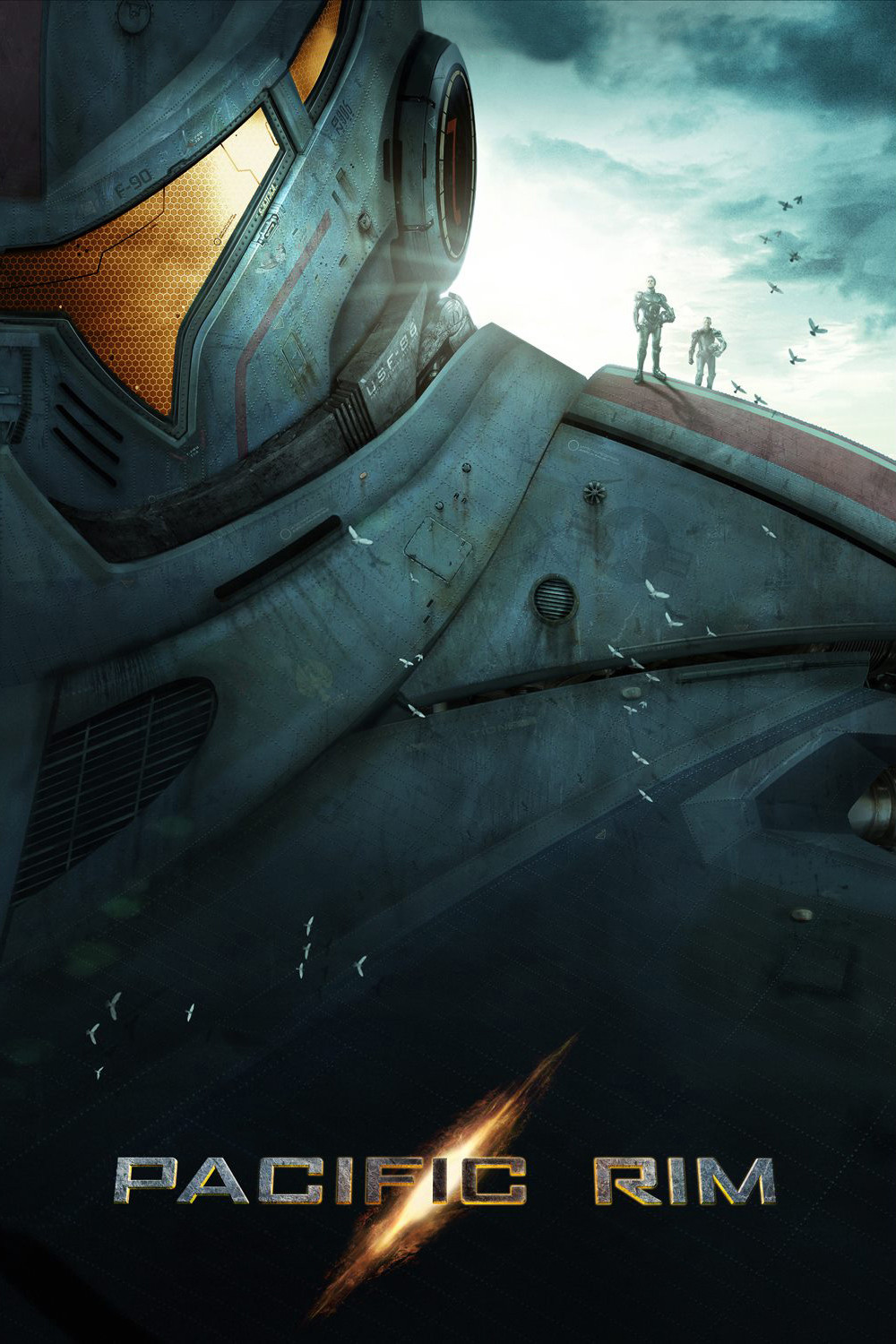
Pacific Rim (2013) *Rewatch
Logged: May 8th, 2026
Type: Film
I rewatched this with some friends at a movie night, with one who'd never seen it and one who saw it many years ago. It had been many years since I watched it myself. Admittedly, due to being distracted by my cat misbehaving and either my own auditory processing issues or poor sound mixing, I had trouble actually catching much of the dialogue. But I was happy to feel the same spark of joy at the worldbuilding and the interactions between our leads that I did way back in high school when it first came out.
I think this movie uses the concept of Jaegers and the bond between pilots very well; the fact that it is as much about grief as it is about connection exemplifies this, I think. That and the way it brings characters together (Newton and Hermann sharing the neural load was huge). I was charmed by Raleigh and Mako's pull towards each other, and how Raleigh defended her and went to bat for her at every given opportunity. I think maybe there could have been more--I remember feeling vaguely annoyed that most of the dialogue between Mako and Raleigh in the Jaeger during the climactic battle consisted of Raleigh shouting things like "do it Mako!! Let's go Mako!!" or soemthing of the like, with no real response from Mako. But the spectacle of it all makes up for it, as does the things left unspoken. It was so refreshing to see Raleigh and Mako share that forehead bump at the end, both of them alive and basking in it, without needing to make them kiss. We love you Guillermo Del Toro!! Extra points to details like Newton's kaiju tattoos, the design of the Bone Slums--a shantytown built around the remains of a kaiju--and all the things that were added in the name of style.

The Pirate King (2008) by R.A. Salvatore
Logged: May 3rd, 2026
Type: Book
This book made me laugh, because I realized the reveal right at the start because of my knowledge of Forgotten Realms lore as it pertains to a certain drow. A book called The Pirate King, about a power struggle over Luskan? Obviously this book is the background of how Jarlaxle gets his foothold in Luskan with Bregan D'earthe. And so it was! Though he only shows up at the very end. It was just funny to see Kensidan scheming while I was like "oh this mf thinks HE'S the pirate king. lmao."
Another aspect of this book that I enjoyed was Regis, and Regis and Drizzt's friendship. It was cute to see how much Regis has grown for the better, and how honestly heroic he has become.